
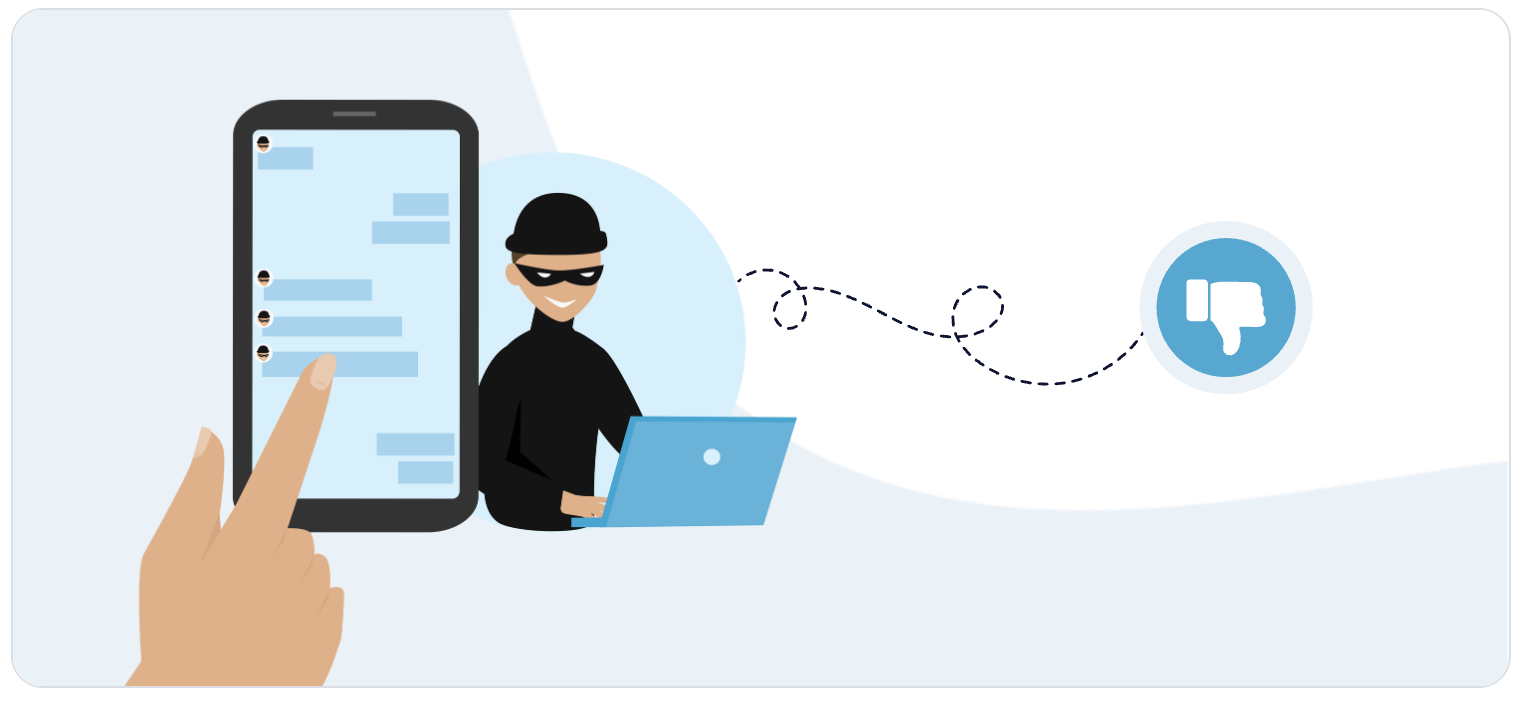
Maybe you know it. You launch a new product, the orders slowly come in... but the reviews are nowhere to be found. So you think you'll write a few of your own. I mean, everybody does that, right?
Yes, it does, up to 30% of reviews are considered fake. A lot of brands write their own reviews or ask friends to do it. And often in good faith, they just want to look credible so that someone will even dare to buy. At first glance, it seems like a harmless shortcut. But in reality, it's a move that can get your brand into a lot of trouble.
What are you really risking?
Customers are not naive. Fake reviews often look suspicious at first glance - they use the same vocabulary, are too positive, lack concrete experience or emotion. Once the reader notices that they are not authentic enough they stop trusting not only the reviews but the brand.
Violation of the law
As of 2023, an amendment to the Consumer Protection Act in the Czech Republic explicitly prohibits the publication of fake reviews or ratings that do not reflect the actual consumer experience.
In addition, the trader is obliged to state whether and how it verifies that the reviews come from customers who have actually bought or tried the product. If they fail to do so, or deliberately publish fictitious reviews, they run the risk of a heavy penalty.
The Czech Trade Inspection Authority may impose a fine of up to CZK 5 million for violation of this law.
Negative impact on SEO
It's not just that your search engine visibility will drop. If the system judges reviews to be inauthentic, you could lose customer trust - not just for one product, but for your entire brand. Once trust is lost, it's very hard to regain.
Today, Google and other platforms are placing increasing emphasis on the authenticity of content. They can spot fake reviews, and if they're judged to be problematic, it will reflect on your SEO.
What can happen:
- Reduction of positions in product or brand searches
- Visibility restrictions on Google Shopping and Maps
- loss of trust by algorithms
- in extreme cases, manual intervention or penalties
Search engines can already detect reviews that are not natural. They monitor not only the text, but also user behaviour. For example, if a large number of similar reviews appear within a short period of time without any detail, the system will take notice.
Fake reviews can harm not only your brand but also the overall performance of your website.
There is another way
Writing your own reviews may seem like a simple solution at first glance, but today it is no longer necessary. Reviews can be obtained quickly, fairly and, most importantly, without risk.
One of the proven ways is the Testuj.to platform, which connects brands with real users. They actually try the product and voluntarily share their experience. These aren't contrived or embellished positive reviews, but authentic feedback that you can feel free to publish.
This approach brings several advantages:
- reviews are written quickly, often within two to three weeks
- content is specific, credible and suitable for marketing
- everything is in accordance with the law and the rules of platforms such as Google or Heureka
In addition, these reviews also support SEO. Original texts from real users increase the credibility of the site, help in search and bring content that has real value.
Conclusion
Fake reviews may seem like a quick fix, but in the end they do more harm than good. Customers and search engines today are very good at knowing what is real and what is not. And once trust is lost, it is very hard to regain.
If you're looking for a way to get feedback you can trust, let us know. We'd be happy to show you how to do it with Test.to.
