

Everyone probably suspects that reviews help sell. And yes - their number directly affects conversion. But on a product page, you don't have to rely solely on customers and how many reviews they leave. You can also increase your chances by how you respond to each review. Each type of review requires a different approach - and that's what we're going to look at now. Related: We discuss exactly how authentic reviews can help optimize conversions in your online store in our article "Using Authentic Reviews to Optimize Online Store Conversions".
What effect do your reactions have?
Maybe bigger than you'd expect. Regardless of the original tone of the review and rating, your answer will bring the following benefits:
- 65% of buyers will have increased brand loyalty.
- The probability of switching to a competitor is reduced by 25%.
- 75% will go on to brag about their experience, boosting word of mouth or Off-Page SEO.
In addition, by responding to reviews, your product page will act as a dialogue between you and your customers. By responding, you will ensure a closer and closer relationship with your customers and give the impression that you are available to your customers and that you see, perceive and value them. This will also encourage other customers to leave a review, whether positive, neutral or negative. Everyone wants to be seen and valued and you have the opportunity to offer that to your customers along with your product.
Use your brand voice
When responding to reviews and communicating with customers, don't forget your brand's voice and feel. Take advantage of this and sound more distinctive. Forget robotic and automated responses. Instead, highlight your brand's character.
Is it important for you to sound professional and professional or friendly and informal? Is your brand a jokester, a friend or a mentor? Reflect that in your answers. And don't forget to sign the person responding. Brand voice is good, but people still want to interact with people. Help them form a bond with you and your reps that will keep them coming back to your products.
Is it important when you answer?
Yes, I am!
It's important. People don't follow office hours when leaving reviews. Most of them write a review, remember it for a while, but then move on with their lives. They may understand that a brand employee will read the review when they get to work, but the longer they wait for a response, the less relevant that response is to them.
- 53% of customers expect brands to respond to a negative review within a week.
- A third of them expect a response within 3 days.
In turn, the response to the review will help them remember the brand, form a bond with it and remember and prefer it the next time they make a purchase. But that doesn't mean you shouldn't respond to lapsed reviews. It's just that at that point, your response is worth more to the potential customer than it is to the person who wrote the review.
This can also be noticed on social media, where this phenomenon is much more pronounced. But the principle remains the same. It's good to respond even "hotter".
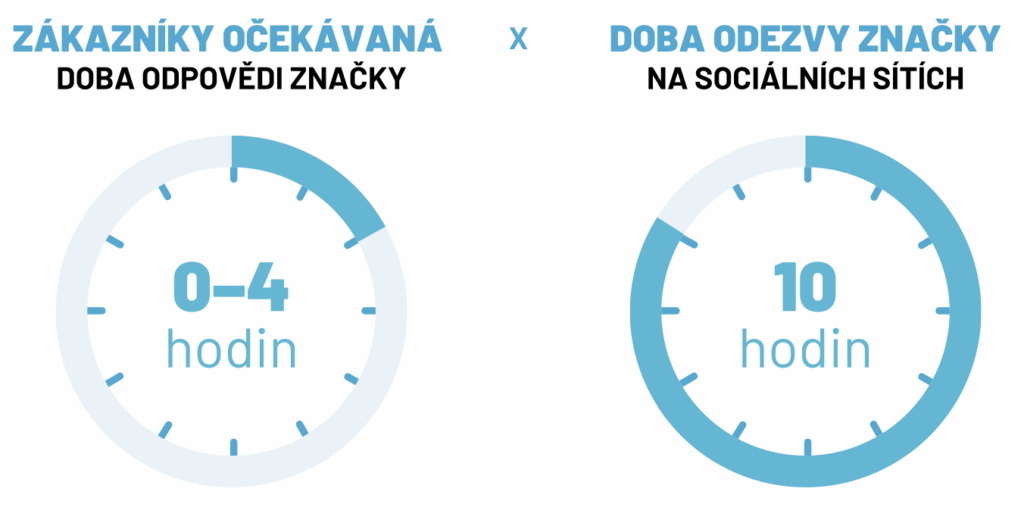
Source : https://media.sproutsocial.com/uploads/2017/08/The-Q2-2016-Sprout-Social-Index-Sprout-Social.pdf
Is it necessary to answer all reviews?
It's not necessary. It depends on the number of reviews and their nature. The response should be proportional to what the review is. A poor and inadequate response can hurt your brand. On the other hand, your responses can increase your brand's reach. That's why it's a good idea to consider the response carefully every time.
- 97% of potential customers are interested in brand reactions when reading reviews.
- More than 50% prefer a brand that responds regularly to reviews.
- 64% of customers will prefer to buy from a brand that responds to reviews than one that has better reviews but is silent.
A tailor-made response
In practice, you will encounter several types of reviews and each of them offers different options and requires a certain response:
- Positive reviews
- Negative reviews
- Neutral reviews
- Reviews without text
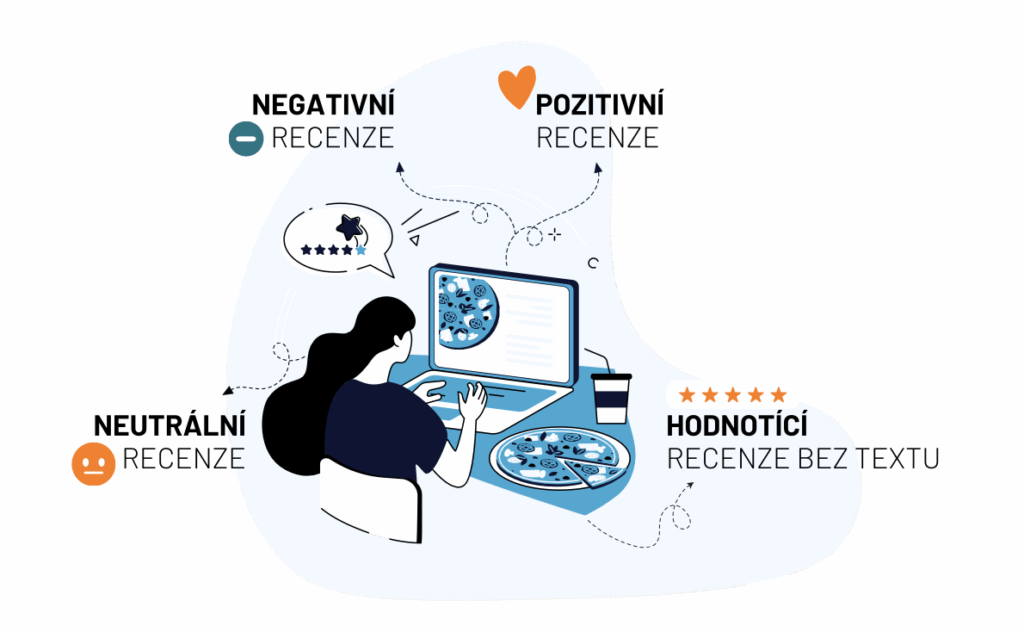
For positive reviews, be graceful and establish a relationship
In segments such as electronics, food, FMCG or pharmaceuticals, only 1% of customers write a review. If this 1% leave a review and it is positive, you have clear proof that your product has left a really good impression. It would be a shame to lose this momentum. But what next?
- Always start with a thank you. For their trust, time and willingness to share their opinion. Show that you value them as an individual customer.
- Encourage them to buy more. Positive experiences earn loyal customers who love to return. In response to their reviews, take the opportunity to organically show them what else they can experience.
- Be very brief. Try to capture the first two points in a few sentences. A long listing can look smug and overburden other customers when read, which can reduce sales.
- Sign at the end. This will show that a real person wrote the text and not a robot.
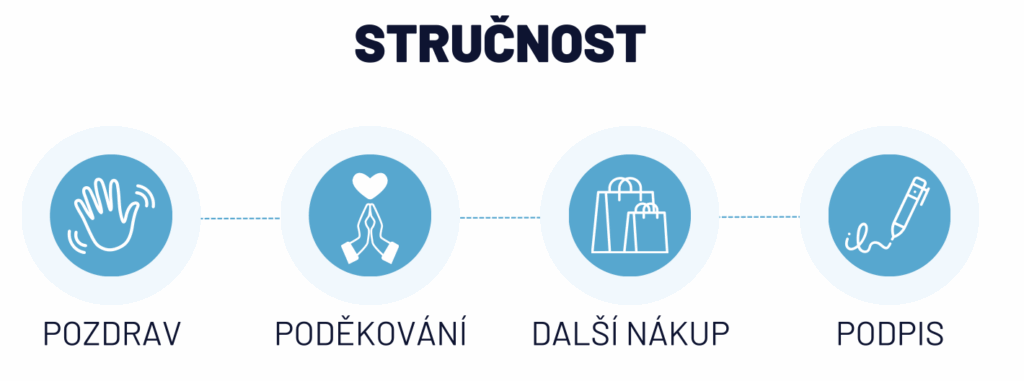
If you're starting out as a brand or have launched a new product, and you only have a few positive reviews so far, it's important to respond to each one. People will scrutinize them carefully, with 97% focusing primarily on your response. If it's appropriate, they'll get a sense of a community lovebrand that cares about all aspects of their business. This increases trust in your brand and the resulting sales.
If your product exceeds hundreds of reviews, take it easy with your reviews and their comprehensiveness. A large amount of text will exhaust customers more quickly and there is a risk that after reading them, they will not have the energy to continue buying and will postpone it for another time. Consider implementing responses that show your interest and appreciation for the review but don't overwhelm the customer. Even a heart, thumbs up or a visible "the brand likes this review" can be successful.
Example of a response to a positive review:
Hello, Mr./Ms. X, thank you for your review! We are glad that you are satisfied with our product. We look forward to your next purchase. You will be waiting for (description of a bargain, offer, discount or other product). Have a nice day! Your XY.
For negative reviews, it is important to name the core problem and propose a solution
A bad review is annoying and can be a nightmare for a brand. Take a deep breath and handle it calmly and gracefully. Your reaction at this point can be very dangerous. Put yourself in the customer's shoes. They bought a product that they had certain expectations of, and now those expectations are unfulfilled. His frustration may make others hesitate, but your frustration will prevent them from doing so.
Showthat you want to solve the problem together.
A brand that responds appropriately to a bad review increases its chances of winning a future customer.
45% of customers are more likely to buy if a brand responds to an unsatisfactory review.
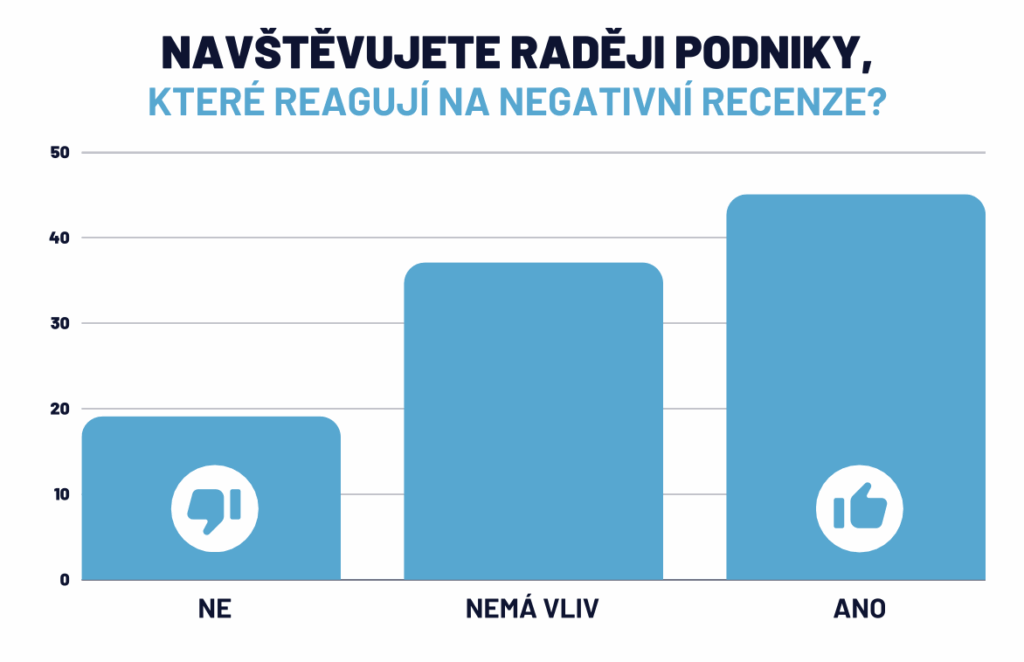
- Stay calm. The response to criticism is often to counterattack, which in PR equals disaster. Your response must be clear and thoughtful, and you must never give in to emotion.
- Thank you. Even a negative review is a valuable source of information for you.
- Name the problem. Clearly and clearly. This avoids the "everything is wrong" level of argumentation, makes the case clearer for other readers, and shows that you are actually thinking about the case.
- Suggest a solution. The client must be clear about what will happen next, he should definitely not have to come up with something on his own. By making a suggestion, you will show real professionalism, which often only becomes fully apparent when solving problems.
- Move the conversation to private. You must never get into a situation where you are arguing with a client in a forum over a few lines of text.
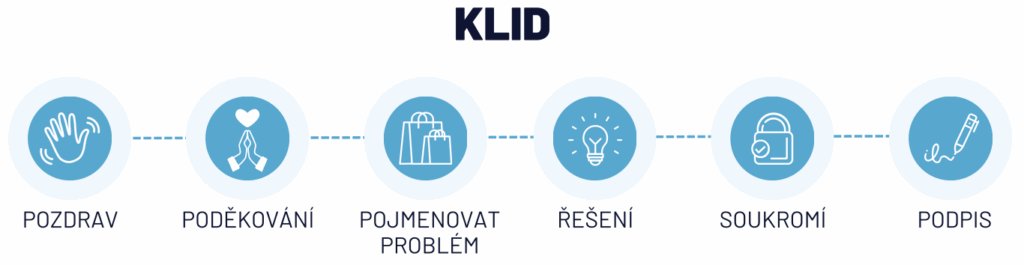
If you are unable to resolve the review calmly without appearing defensive or offensive, you are better off responding privately. The same goes for situations where your response sounds like you can't help the customer. Instead, resolve everything with a phone call or email. If successful, it's possible that the customer will change their assessment.
But keep in mind that negative interactions can make your situation worse. A bad reputation can then drag you down for a long time. Not to mention the power of social media.
Example of a response to a negative review
Hello Mr X, thank you very much for sharing your experience with us. We are very sorry that we did not meet your expectations. We can see that the main problem was X, which fortunately can be easily solved with Y. An operator will contact you shortly to resolve the situation to your full satisfaction. Sincerely, XY.
For neutral reviews, use previous experience
Neutral ratings of around 3 stars are often difficult to grasp. They are not outright negative, but at the same time the customer is on the fence and may not come back. The challenge of your response will be to cut through this uncertainty. At the same time, remember that mediocre reviews carry a lot of weight with potential customers, and your response to what is essentially the most important review may be what decides a future purchase for them.
Tip: Average reviews. Why focus on them?
- Highlight the positives and offer more. It is easy to lose the good in a neutral text. In your response, therefore, remind the client and other readers of the positive part of the experience.
- For the negatives, name the problem and propose a solution. Every neutral review includes a snag. By clearly naming the problem, you again clarify the boundaries of the problem, show concern and, when proposing a solution, professionalism and a willingness to fight for each client.
- Take the situation offline again.
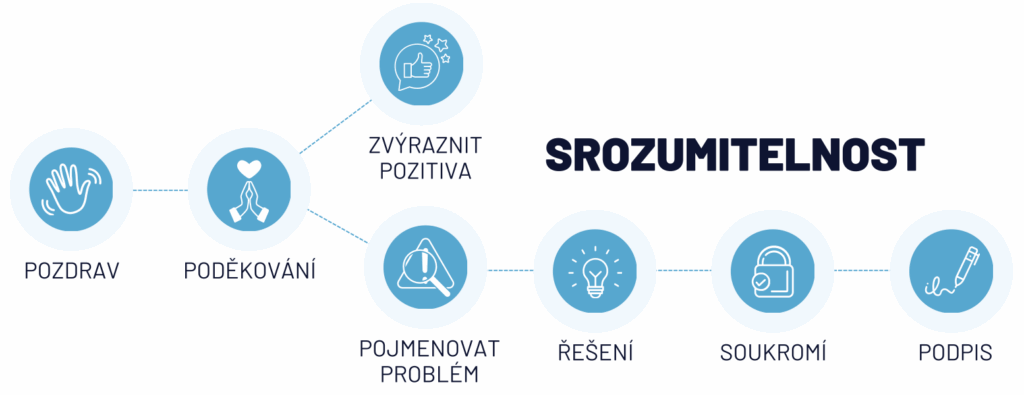
Example of a response to a neutral review
Hello Mr/Ms X, thank you very much for your review. We are glad that you appreciated our X. We pride ourselves on Y and are honest about these aspects. We noticed that you had a problem with Z. We suggest the following solution [description]. An operator will contact you shortly to follow up with you. We look forward to seeing you next time. Sincerely, XY.
For reviews without text, it depends on the number of stars
Here it depends on your review settings. If your reviews allow customers to leave specific ratings for certain categories, you know where to start. You can respond to individual positive or negative categories and sound both professional and personable.
If your reviews don't offer this option, at least use what you know about the customer. Even if it's just a username, email or nickname. If you reach out to the customer and use what little information you have, you 'll come across as a brand that matters to everyone.
- If the review is positive, just a brief thank you. There's no point in stretching out the answer if you can't mention specific achievements, you'd unnecessarily increase the cognitive load of the texts and other customers would be overwhelmed.
- For negative reviews, find out more. After thanking them, make it clear that you want to know the details and remedy the situation. Suggest a connection via email or phone. In turn, other customers will see that you care and are willing to solve unfamiliar problems.
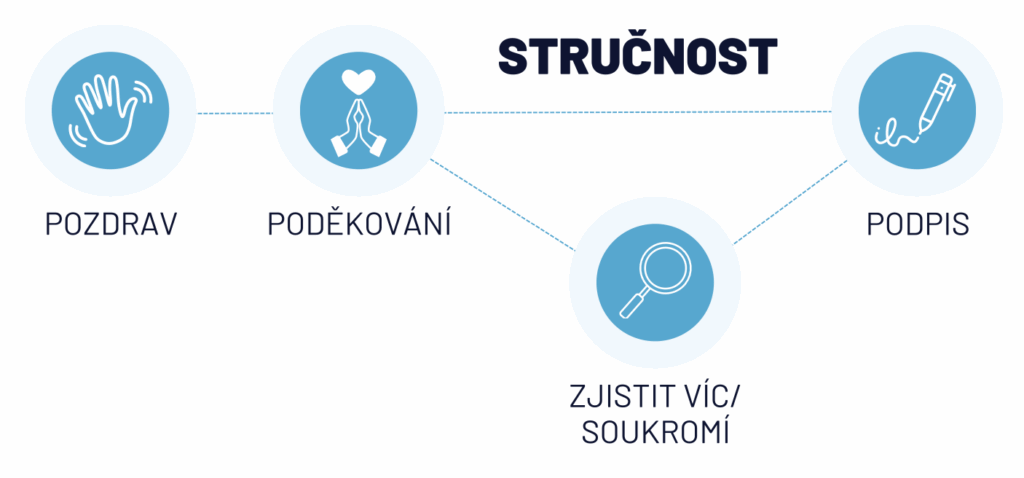
Examples of responses to a review without text
Hello Mr. X, thank you for your review. We are glad that you are satisfied with our product.
Hello Mr. X, thank you for your review. We are sorry that you are not satisfied with our product. Our operator will be in touch with you shortly to sort everything out. Sincerely, XY.
Conclusion
Responding to reviews can be a science, especially if they are negative. Consider whether your brand would benefit from (additional) training for your customer-facing staff. Align your voice, create policies and procedures that are tailored to your brand. Clarify the competencies of individuals so that people addressing negative reviews can offer workable solutions. Communicate both within the company and with customers. If you promise to get in touch with a dissatisfied customer, someone should actually reach out and help as soon as possible.
Your brand's response to reviews has a big impact on customer retention and new customer acquisition. It would be a shame not to take advantage of this powerful opportunity. However, because it is about communicating with your customers, it must be handled carefully and not given a bad reputation and unprofessional communication.